
 Facebook
 X
X
 Pinterest
 Copy Link
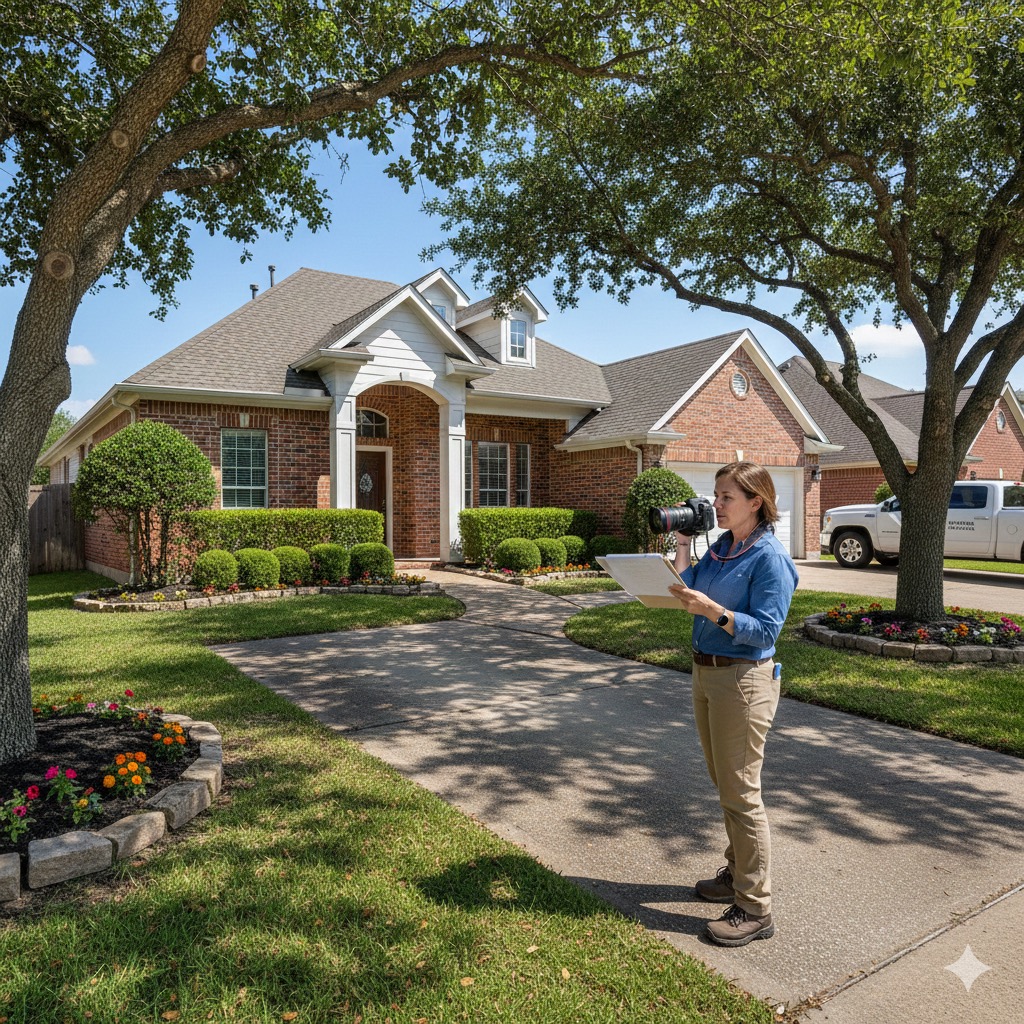
When you decide to sell your home, the appraisal will play a bigger role than many sellers realize.
Not only does the appraiser compare your home to recent sales, but they also assign your property a condition rating that can directly affect:
- Whether a buyer’s loan gets approved
- How much your home appraises for
- What repairs a buyer’s lender may require
- How much negotiating power you keep at the closing table
Because this rating carries such financial weight, understanding it before you list can protect both your timeline and your bottom line. Let’s break it down in straightforward terms.
What Is an Appraisal Condition Rating?
Appraisers use a national condition scale that ranges from C1 (best) to C6 (worst). This rating reflects your home’s overall physical condition, maintenance level, and functional safety.
More importantly, lenders rely heavily on this rating when they decide whether they will finance a buyer’s loan. As a result, your home’s condition doesn’t just influence perceived value—it directly influences who can buy it and how much they can offer.
Why Your Home’s Condition Rating Matters So Much
First, your condition rating directly affects buyer financing options. Homes that fall into C1 through C3 typically qualify for the widest range of traditional mortgage programs. In contrast, homes that drop into C5 or C6 often eliminate traditional buyers altogether and attract mostly cash or investor offers.
Next, your rating influences how your home appraises compared to the contract price. Even when two homes sit side-by-side in the same neighborhood, the one with stronger maintenance nearly always commands the higher appraised value.
Additionally, your condition rating drives inspection negotiations. The lower the condition grade, the more leverage a buyer gains during repair talks.
Finally, your rating affects how quickly your home sells. Buyers move confidently on well-maintained homes. However, they hesitate when visible deferred maintenance raises red flags.
C1 – Brand New Construction
This is the highest possible rating.
A C1 home is new construction that has never been lived in. Everything — roof, HVAC, plumbing, electrical, finishes — is brand new with zero wear and tear.
✔️ No repairs needed
✔️ Top value potential
✔️ Easiest loan approvals
Most resale homes will not fall into this category unless they were just built.

Move-In-Ready Home (C2–C3 Example)
C2 – Like New or Fully Renovated
A C2 home is either nearly new or has been recently and completely renovated from top to bottom.
- No deferred maintenance
- No active repairs needed
- Modern finishes and systems
- Updated roof, HVAC, plumbing, electrical, etc.
✔️ Excellent appraisal strength
✔️ Strong buyer financing options
✔️ Supports top-of-market pricing
C3 – Well Maintained With Normal Wear
Most well-kept homes fall into this category.
A C3 home is clearly cared for, with only normal aging and wear. Some updates may have been done, but not necessarily a full remodel.
Examples:
- Older roof but still in good condition
- Functional HVAC
- Dated but clean kitchen or baths
✔️ No major repair issues
✔️ Typically qualifies for standard financing
✔️ Still supports strong resale value
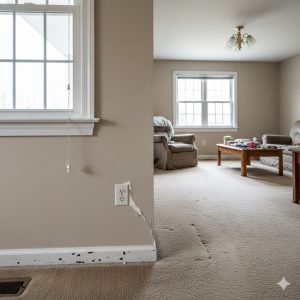
Minor Deferred Maintenance Example (C4)
C4 – Minor Repairs Needed (Still Livable)
This is where many sellers start to run into appraisal issues.
A C4 home is livable, but has minor deferred maintenance, meaning repairs are needed either now or very soon.
Common C4 items:
- Peeling paint
- Worn flooring
- Minor plumbing or electrical issues
- Aging roof nearing end of life
- Broken fixtures or cosmetic damage
✔️ Still eligible for most conventional loans
⚠️ Buyers may request repairs or credits
⚠️ Appraised value may be slightly affected
This is typically the lowest condition allowed for most 30-year mortgages.
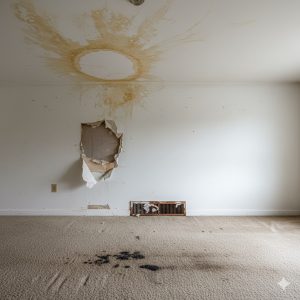
Major Repairs Needed (C5 Example)
C5 – Major Repairs Needed
A C5 home has obvious repair issues that go beyond simple cosmetics. The property is still usable, but significant work is needed.
Examples:
- Roof damage or active leaks
- Failing HVAC
- Electrical or plumbing problems
- Water damage, rot, or mold
- Multiple systems at the end of their lifespan
⚠️ Limits buyer loan options
⚠️ Often requires cash buyers or rehab loans
⚠️ Appraised value is heavily discounted
Homes in this condition usually sell below market value unless repaired first.
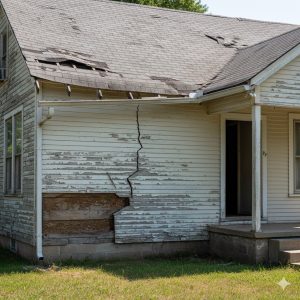
Severe Damage / Unsafe Condition (C6 Example)
C6 – Severe Damage or Safety Issues
This is the most serious condition rating.
A C6 home has severe deterioration or damage that affects safety or structural integrity.
Examples:
- Foundation failure
- Major structural damage
- Fire or flood damage
- Unsafe electrical or gas systems
❌ Most traditional lenders will not finance
❌ Cash or construction loans only
❌ Deep investor pricing is common
These homes almost always require extensive renovation before resale financing is possible.
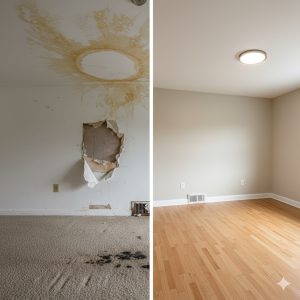
Before & After Repair Comparison
How Condition Affects Your Home’s Value & Buyer Financing
Your home’s condition rating directly impacts:
- Whether buyers can even get a loan
- How much money lenders are willing to lend
- How much repairs will be negotiated
- Whether the deal survives the option period
Here’s the general impact:
- C1–C3: Strong pricing, wide buyer pool, easy financing
- C4: Sale is still very possible, but repairs or credits are common
- C5–C6: Cash buyers dominate, offers are lower, and rehabs are expected
Even a beautiful home can lose tens of thousands in value if deferred maintenance pushes it into C5 territory.
Why This Rating Matters to Sellers
Your home’s condition rating affects:
- Buyer loan eligibility
- Buyer confidence
- Inspection repair negotiations
- Final sales price
Homes that appraise C1–C3 sell for top dollar with minimal friction.
Homes that fall into C5 or C6 often sell at deep investor discounts and limit buyer financing.
One Small Repair Can Mean Thousands
Many sellers are surprised to learn that:
- Peeling paint
- Roof aging
- Minor electrical issues
- Plumbing leaks
…can drop a home from C4 to C5, which can cost tens of thousands in negotiating power.

Seller Consultation / Pre-Listing Review
Want to Know What Condition Your Home Would Likely Appraise For?
Before you list, I can provide a free, no-obligation Pre-Listing Condition Review & Pricing Strategy so you know:
- What condition your home would likely receive
- Which repairs (if any) matter most
- How to price your home for maximum return
- How to avoid last-minute appraisal surprises
📲 Call/Text: 682.888.2935
🌐 Request Your Free Home Value Review


